
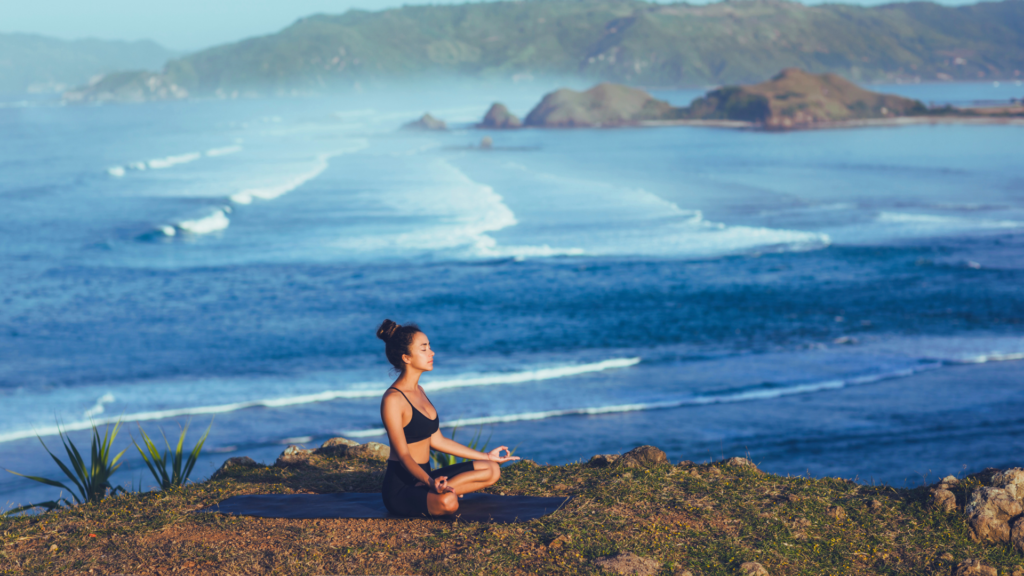
Spending time outdoors can have significant benefits for both mental and physical health. Engaging with nature reduces stress, boosts mood, and enhances overall well-being. As individuals increasingly find themselves tied to screens and indoor activities, understanding the positive effects of outdoor experiences becomes essential.
Nature provides a unique environment that encourages physical activity and social interaction. Walking, hiking, or simply enjoying a park can contribute to a healthier lifestyle. Fresh air, sunlight, and natural surroundings create a refreshing change from daily routines, often leading to increased energy and creativity.
Incorporating more outdoor time into daily life is not only revitalising but also essential for long-term health. Individuals who prioritise outdoor activities often report improved focus and heightened happiness. Making a conscious effort to connect with the outside world is a simple yet effective way to enhance quality of life.
Physical Health Benefits of Outdoor Activities
Spending time outdoors yields significant physical health benefits. Engaging with natural environments promotes essential nutrient intake, encourages physical activity, and bolsters immune function. These benefits contribute to overall well-being and longevity.
Essential Vitamin D Intake from Natural Light
Natural light is a primary source of vitamin D, which is crucial for bone health and immune function. When the skin is exposed to sunlight, it synthesises vitamin D, facilitating the absorption of calcium and phosphorus.
A lack of this vitamin can lead to deficiencies, increasing the risk of conditions like osteoporosis and rickets. Outdoor activities, especially during sunny days, provide an effective means to boost vitamin D levels.
For many, just 15-30 minutes of daily sun exposure can significantly improve vitamin D levels. Factors like skin type and geographic location can influence how much sunlight is needed, but prioritising outdoor time is beneficial for maintaining adequate vitamin D levels.
Engagement in Physical Activity and Weight Management
Outdoor activities promote higher levels of physical exercise compared to indoor workouts. Activities such as walking, hiking, cycling, or playing sports encourage individuals to engage in regular exercise.
Regular physical activity helps manage weight, reducing the risk of obesity-related illnesses. Spending time outdoors typically involves more dynamic and varied movements, which can enhance caloric expenditure.
Studies indicate that those who exercise in natural settings tend to be more active and have longer-lasting workout sessions. The varied terrain and fresh air contribute positively to one’s motivation, promoting consistency in exercise routines.
Enhancement of Immune System Functions
Engaging in outdoor activities has a beneficial impact on immune system functions. Exposure to nature can lower stress levels, which is known to negatively affect immune health.
Natural light and physical activity stimulate the body’s production of antibodies and white blood cells, essential components in fighting infections. Spending time outdoors has been linked to a reduced risk of chronic diseases and even a lower risk of early death.
Incorporating outdoor activities into daily life promotes a healthier lifestyle, encouraging individuals to reap the numerous physical health benefits that nature provides.
Psychological Advantages of Spending Time in Nature
Spending time in nature offers significant psychological benefits that can enhance mental well-being. Engaging with natural environments can lead to reductions in stress and mental fatigue, improvements in mood, and boosts in attention span and creativity. This section explores these key psychological advantages.
Reduction of Stress and Mental Fatigue
Nature has a profound ability to reduce stress levels. Studies demonstrate that spending time outdoors can lower cortisol levels, a hormone associated with stress. Activities like walking in a park or sitting by a lake provide tranquillity, allowing the mind to relax and recharge.
Furthermore, exposure to nature helps mitigate mental fatigue. When surrounded by greenery, individuals often experience a refreshing break from daily pressures. This de-stressing effect is essential for maintaining mental clarity and focus.
Improvement in Mental Health and Mood
Natural settings have been shown to improve overall mental health. Spending time outside can significantly reduce symptoms of depression and anxiety. Nature therapy, which incorporates outdoor experiences into mental health treatment, has gained traction for its effective results.
Engaging in outdoor activities can elevate mood by increasing endorphin levels. These neurotransmitters contribute to feelings of happiness and well-being, fostering a positive outlook on life.
Boosting Attention Span and Creative Problem-Solving
Nature plays a crucial role in enhancing cognitive functions, particularly attention span. Studies indicate that time spent outdoors can restore mental energy and improve focus. This is achieved through a process known as “attention restoration,” which allows the brain to recover from cognitive overload.
Moreover, immersing oneself in natural surroundings can boost creative problem-solving skills. The calming effect of nature encourages out-of-the-box thinking, allowing individuals to approach challenges from new perspectives. This shift in mindset can lead to innovative solutions in various aspects of life.
Therapeutic Effects of Nature on Mental Well-being
The therapeutic benefits of nature extend beyond simple enjoyment. Natural environments have a unique ability to promote mental well-being. They can serve as a sanctuary for reflection and peace, facilitating emotional healing and resilience.
Incorporating nature into daily routines can foster a healthy lifestyle. Activities such as gardening, hiking, or simply relaxing outside contribute to a sense of belonging and connection with the world. This bond with nature can lead to a more balanced, fulfilling life.
Intellectual Enhancements from Outdoor Experiences
Spending time outdoors can lead to significant intellectual benefits. Engaging with nature not only supports short-term memory but also helps regulate circadian rhythms and sleep patterns.
Support for Short-Term Memory
Nature walks have been shown to enhance short-term memory performance. Studies suggest that time spent in green spaces can improve cognition, particularly tasks that require memory retention.
A study revealed that participants who walked in nature performed better on memory tests compared to those who walked in urban environments. This improvement likely stems from the reduction of mental fatigue and stress that nature provides.
Additionally, exposure to natural settings may promote memory-enhancing effects due to improved focus and attentional restoration. Engaging with the sights and sounds of nature stimulates the brain, making it easier to absorb new information.
Balancing the Circadian Rhythm and Sleep Patterns
Outdoor experiences are essential for regulating the circadian rhythm, which plays a crucial role in sleep quality. Natural light exposure helps to set the body’s internal clock, encouraging a more consistent sleep schedule.
When individuals spend time outside, they receive vital sunlight that can enhance the production of melatonin—an important hormone for sleep. Better sleep patterns can lead to improved cognitive function and memory retention.
Furthermore, outdoor activities often involve physical movement, which is linked to deeper, more restorative sleep. The combined effects of sunlight and physical activity can lead to a healthier sleep cycle, promoting overall cognitive health and intellectual performance.
Recreational Outdoor Activities and Their Impact
Engaging in recreational outdoor activities significantly contributes to physical and mental well-being. Activities such as hiking, camping, and forest bathing offer unique benefits through exposure to nature, promoting healthier lifestyles and enhancing overall quality of life.
Exploring Green Spaces Through Hiking and Camping
Hiking and camping provide individuals with opportunities to immerse themselves in green spaces. Hiking trails often wind through forests, hills, and lakes, encouraging physical fitness and cardiovascular health. The act of walking in nature also allows for fresh air inhalation, enhancing respiratory system function.
Camping further deepens this connection by offering immersive experiences. It allows individuals to disconnect from technology and daily stresses while fostering relationships with companions. Spending time outdoors in a camping setting can enhance mood and decrease anxiety through natural interactions.
Cultural Practices of Forest Bathing
Forest bathing, or shinrin-yoku, is a practice originating in Japan that involves spending time among trees and immersing oneself in nature. This activity aids in reducing stress and improving mental health, as it encourages mindfulness and awareness of surroundings.
Research indicates that forest bathing may boost immunity and enhance overall health. Participants often report feelings of tranquillity and relaxation, attributed to the calming effect of greenery. Nature walks within forested areas provide an effective way to engage in this practice, reinforcing the connection between nature and well-being.