
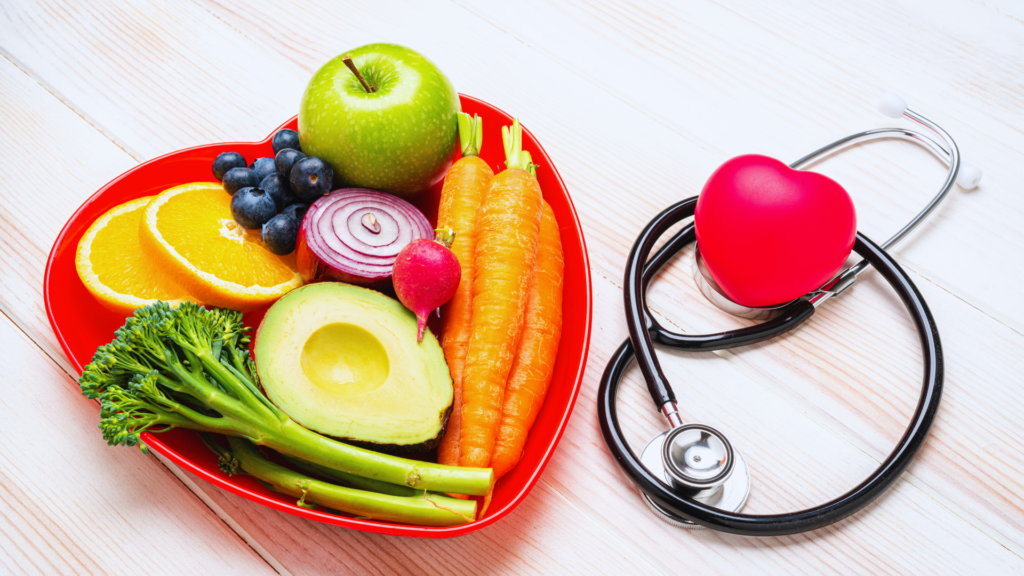
Portion control plays a crucial role in maintaining a healthy lifestyle. By managing the size of servings, individuals can better regulate their caloric intake, which is essential for achieving and sustaining a healthy weight. Mastering portion control can significantly contribute to improved well-being and prevent overeating.
Many people struggle with recognising appropriate portion sizes, leading to consuming more than necessary. This can affect one’s health and contribute to weight gain over time. Understanding portion control can empower individuals to make mindful choices about their food, promoting more balanced eating patterns.
Incorporating simple strategies for portion management can enhance the overall quality of one’s diet. By prioritising appropriate serving sizes, individuals can enjoy a variety of foods while also working towards their health goals. Engaging with this topic can lead to a deeper appreciation of the impact of portion control on daily nutrition.
Fundamentals of Portion Control
Portion control is essential for maintaining a healthy relationship with food. Understanding key concepts such as portion sizes, serving sizes, and the role of food labels can significantly impact weight management and prevent overeating.
Understanding Portion Sizes versus Serving Sizes
Portion size refers to the amount of food served to an individual, which can vary widely from person to person. In contrast, serving size is a standardised measurement provided on food packaging that helps consumers make informed choices. For example, a bag of crisps may contain multiple servings, but individuals often consume an entire bag as one portion.
Understanding the difference between these terms aids individuals in assessing their eating habits. By comparing what is served versus what is recommended, people can better gauge their intake and make adjustments to promote healthier eating patterns.
Importance of Portion Control in Weight Management
Effective portion control is a vital strategy in weight management. Eating larger portions can lead to excessive calorie intake, contributing to weight gain and obesity. By being mindful of portion sizes, individuals can regulate their caloric intake without feeling deprived.
Adopting practical techniques, such as using smaller plates or measuring servings, can make a significant difference. Research indicates that these methods can help individuals remain within their caloric limits, ultimately promoting sustainable weight loss and healthier lifestyle choices.
The Role of Food Labels in Portion Control
Food labels play a critical role in helping individuals manage portion sizes effectively. They provide essential information about serving sizes, calorie content, and nutritional values, equipping consumers with the knowledge needed to make healthier choices.
For instance, a product with high-calorie content per serving may prompt individuals to reduce their portion sizes to stay within their daily caloric needs. Understanding how to read and interpret food labels allows consumers to make informed decisions and practice portion control effectively, reducing the risk of overeating.
Practical Strategies for Managing Portion Sizes
Effective portion control can be achieved through practical methods. By employing strategies like using smaller plates, pre-portioning meals, and practising mindful eating, individuals can better manage their food intake and promote a balanced diet.
Using Smaller Plates for Controlled Portions
Utilising smaller plates is an effective strategy for portion control. Research shows that people tend to fill plates, regardless of their size. By switching to a smaller plate, they can visually trick the mind into perceiving a fuller plate without increasing food quantity.
A smaller plate can encourage more mindful serving sizes. For instance, dining on a 9-inch plate instead of a 12-inch plate can reduce portions significantly. This simple change can contribute to healthier eating habits over time without requiring drastic modifications to meals.
Pre-portioning and Meal-Prepping Techniques
Pre-portioning meals can take the guesswork out of serving sizes. By using measuring cups or containers, individuals can ensure they consume appropriate amounts of different food groups. Planning meals in advance helps maintain a balanced diet and prevents overeating.
Meal prepping, where meals are prepared in advance and divided into servings, also supports portion control. It offers convenience and consistency, ensuring that individuals have healthy options readily available. Incorporating this habit may lead to better adherence to dietary goals.
Mindful Eating and Recognising Fullness Cues
Mindful eating focuses on the experience of eating rather than simply consuming food. This practice encourages individuals to slow down and appreciate their meals. As a result, they may better recognise their body’s fullness cues, preventing overeating.
The 20-minute rule suggests taking at least that long to eat a meal. This allows the brain time to process signals of fullness. Individuals who practise mindful eating often enjoy their food more, leading to lower overall intake and increased satisfaction with smaller portions.
Nutritional Considerations for Optimal Portion Control
Effective portion control relies on understanding the nutritional composition of foods and how they fit into an individual’s dietary needs. Emphasising the right balance of food groups and adapting portions for specific diets can significantly influence health and wellness.
Balancing Different Food Groups
A balanced diet includes proteins, whole grains, fruits, and vegetables. Each food group plays a crucial role in meeting nutritional needs.
- Proteins are essential for muscle repair and growth. Sources include lean meats, legumes, and dairy.
- Whole grains provide complex carbohydrates, which help regulate blood sugar levels. Options like brown rice, quinoa, and whole-grain bread are advisable.
- Fruits and vegetables are rich in vitamins, minerals, and fibres. Aim for a variety of colours to maximise nutrient intake.
To control portions effectively, it’s beneficial to visualise serving sizes. For instance, a portion of protein should be roughly the size of a palm, while grains should fit into a cupped hand.
Understanding Energy Density and Nutritional Value
Energy density refers to the number of calories in a specific weight of food. Foods with low energy density offer fewer calories in larger volumes, promoting fullness without excessive calorie intake.
- Fruits and vegetables: Low in energy density, allowing for larger portions.
- High-fat foods: Such as nuts and oils are more energy-dense.
Knowing the nutritional value helps in making informed choices. Whole, minimally processed foods often have higher nutritional value compared to refined foods, contributing to better portion control and satisfaction.
Adapting Portion Sizes for Special Diets
Special diets require particular attention to portion sizes.
- Vegan diets: often rely on plant-based proteins like lentils and chickpeas. It is vital to ensure adequate iron and B12 intake, possibly necessitating larger portions of fortified foods or supplements.
- Low-carb diets: on the other hand, focus on reducing carbohydrate intake. Portion sizes of starchy foods, such as bread and pasta, should be minimised while increasing portions of vegetables and proteins.
Understanding how to balance these considerations can help individuals achieve their nutritional goals while maintaining portion control. Regular reassessment of dietary needs is recommended.
Overcoming Challenges in Portion Control
Portion control presents various challenges that require practical strategies to manage effectively. Addressing social situations, and emotional triggers, and maintaining consistency play a crucial role in developing healthier eating habits.
Navigating Social Events and Eating Out
Social gatherings often feature abundant food, making portion control challenging. To tackle this, one can plan ahead. Familiarising oneself with the menu beforehand can aid in making informed choices.
When dining out, opting for smaller portions or sharing dishes can help. It is also effective to ask for dressings and sauces on the side, allowing better control over intake. Mindful eating practices, such as savouring each bite, promote awareness of satiety signals, lessening the likelihood of overeating.
Addressing Emotional Eating and Food-related Triggers
Emotional eating commonly leads to poor portion control, often exacerbated by stress or negative feelings. Identifying triggers is essential. Keeping a food diary can help individuals recognise patterns and adjust behaviours accordingly.
Incorporating a holistic approach is beneficial. This might involve practising mindfulness techniques, such as deep breathing or meditation, during stressful situations. Engaging in healthier coping mechanisms, such as exercise or hobbies, can also divert attention from food.
Consistency and Portion Control in Long-Term Health
Establishing consistency is vital for maintaining portion control over time. Creating a meal plan can facilitate better choices. This plan should incorporate balanced meals that include lean proteins, fruits, and vegetables—key elements in preventing chronic diseases like obesity, type 2 diabetes, and heart disease.
Adopting strategies like preparing leftovers can aid in portion management throughout the week. It prevents the temptation of larger servings when cooking fresh meals. Eating slowly also encourages the body to recognise fullness, thus promoting healthier portion sizes.