
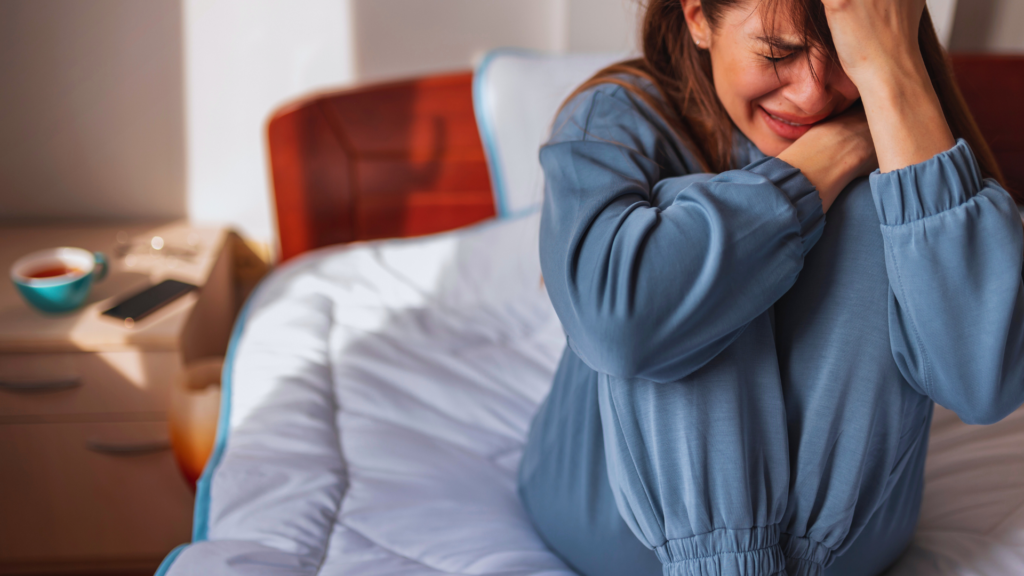
Anxiety affects many individuals across different walks of life, manifesting in various forms and intensities. It is essential to understand that anxiety can often be a normal response to stress, but when it becomes overwhelming, it can significantly impact mental health. Recognising its signs and symptoms can lead to better management and support for those experiencing it.
Feelings of anxiety can arise from specific triggers, or in some cases, they may develop without a clear cause. The experience can include physical sensations such as increased heart rate and psychological effects like persistent worry. Understanding these facets is crucial for those seeking effective coping strategies and treatment options.
In today’s fast-paced world, conversations about mental health are becoming increasingly important. By exploring the complexities of anxiety, individuals can gain insights into their own experiences or those of others around them. This knowledge fosters a supportive environment where seeking help is encouraged and normalised.
Understanding Anxiety and Its Symptoms
Anxiety is a complex emotional state marked by feelings of worry, fear, and dread. Recognising its symptoms is essential for identifying anxiety disorders clearly, which can significantly impact daily life.
Defining Anxiety and Anxiety Disorders
Anxiety is a natural response to stress, but when it becomes excessive, it may signal an anxiety disorder. Various types exist, including Generalised Anxiety Disorder (GAD), Panic Disorder, Social Anxiety Disorder, and Specific Phobias.
GAD leads to persistent and excessive worry about everyday matters. Panic Disorder is characterised by unexpected panic attacks, causing intense fear and physical symptoms. Social Anxiety involves overwhelming fear of social interactions, while Specific Phobias relate to irrational fears of specific objects or situations, such as heights or spiders.
Recognising the Symptoms and Signs of Anxiety
Symptoms of anxiety can manifest both mentally and physically. Common mental symptoms include persistent worry, racing thoughts, and difficulty concentrating. Physically, anxiety may cause symptoms such as increased heart rate, sweating, trembling, and gastrointestinal issues.
Some signs to look for include avoidance of certain situations, irritability, and changes in sleep patterns.
In addition, individuals may experience panic attacks, which include symptoms like chest pain, dizziness, or a feeling of losing control. Monitoring these symptoms can help in recognising an anxiety disorder, making it easier to seek appropriate support and treatment.
Causes and Triggers of Anxiety
Anxiety arises from a combination of psychological and physical factors alongside environmental stressors. Understanding these elements can illuminate the complexities of anxiety and help in identifying effective coping strategies.
The Psychological and Physical Factors
Anxiety is influenced by both psychological conditions and physiological responses. Psychological factors include genetic predispositions, personality traits, and past experiences. For instance, individuals with a family history of anxiety disorders may be more vulnerable due to inherited traits.
Physiological responses involve the body’s reaction to perceived threats. Stress hormones, such as cortisol and adrenaline, play a significant role. When faced with stress, the body enters a heightened state of alert, leading to increased heart rate and other physical symptoms. Chronic pain can compound these feelings, creating a feedback loop that intensifies anxiety.
To better understand these contributing factors, Comprehensive psychological assessments in Nova Scotia (or elsewhere) can often be a valuable tool. These evaluations tend to provide deeper insights into an individual’s mental health by analyzing cognitive patterns, emotional responses, and behavioral tendencies. With this information, professionals can develop personalized treatment strategies that typically address both the psychological and physiological aspects of anxiety.
Environmental Stressors and Lifestyle
Environmental factors greatly impact anxiety levels. Stressful life events, such as job loss, relationship issues, or health concerns, can trigger anxiety episodes.
Lifestyle choices also contribute. Poor diet, lack of exercise, and insufficient sleep can elevate stress levels. Furthermore, excessive caffeine or alcohol consumption can exacerbate anxiety symptoms. Creating a balanced lifestyle may help mitigate these stressors, allowing individuals to manage anxiety more effectively.
Recognising these triggers helps individuals develop awareness and strategies to address their anxiety.
Approaches to Managing and Treating Anxiety
Anxiety can be managed through various means, including psychological therapies, medication, and lifestyle adjustments. Each method has its own strengths and can be tailored to individual needs.
Psychological Therapies for Anxiety
Cognitive Behavioural Therapy (CBT) is one of the most effective psychological treatments for anxiety. It focuses on identifying and changing negative thought patterns that contribute to anxiety.
Mindfulness practices, which involve maintaining a moment-to-moment awareness of thoughts and feelings, can be beneficial. Many individuals find that integrating mindfulness into their daily routine helps reduce anxious thoughts. Taking the help of private counselling sessions can also provide a safe and supportive environment to explore these techniques. This can offer individuals a more personalized method to deal with their challenges and find tailored strategies to manage anxiety.
Progressive muscle relaxation is another technique that encourages the systematic tensing and relaxing of muscle groups. This can help alleviate physical symptoms of anxiety and improve mental clarity.
Medication and Pharmacological Solutions
Medication options for anxiety often include benzodiazepines and anxiolytics. Benzodiazepines can provide rapid relief for acute anxiety, but they are typically prescribed for short durations due to the risk of dependence.
Anxiolytics, on the other hand, are used for longer-term management. Selective serotonin reuptake inhibitors (SSRIs) are commonly prescribed as they work to balance serotonin levels in the brain.
It’s essential for individuals to discuss potential side effects and interactions with their healthcare provider to find the most suitable option.
Importance of Lifestyle Changes and Self-Care
Making lifestyle changes can significantly impact anxiety management. Regular physical activity has been shown to reduce symptoms by releasing endorphins, which can improve mood. Another effective way to manage stress and anxiety is through relaxation techniques. Many individuals find that massage therapy helps relieve muscle tension, promotes relaxation, and supports overall well-being. For those looking to incorporate this into their routine, exploring Massage Therapy in Fulshear, TX (or another local area) can be a great option to complement other anxiety management strategies.
A balanced diet, adequate sleep, and stress-reduction techniques are also crucial. Practices such as journaling, engaging in hobbies, and maintaining social connections contribute to better mental well-being.
Additionally, developing coping skills through self-care practices enhances resilience to anxiety triggers. These strategies can create a supportive framework for individuals working to manage their anxiety effectively.
Building Resilience and Ongoing Support
Creating effective strategies for managing anxiety is vital. Two essential components in this process are the formation of healthy coping mechanisms and establishing solid support systems.
Developing Healthy Coping Mechanisms
Healthy coping mechanisms are vital for resilience in the face of anxiety. Techniques such as mindfulness meditation, deep breathing exercises, and regular physical activity help in mitigating negative thoughts. Engaging in hobbies can provide distraction and joy, reducing the grip of obsessive-compulsive disorder (OCD) or social anxiety disorder.
Keeping a journal can also assist individuals in identifying unhelpful thought patterns. When these patterns are recognised, individuals can work to challenge and change them. Feedback from trusted friends or professionals can enhance this process. Using devices like mindfulness apps can guide users through practices that promote calmness, aiding their journey toward resilience.
Support Systems and Seeking Help
Supporting one’s mental health often requires external input. Family and friends play a crucial role in offering emotional support and understanding. Engaging in support groups can also be beneficial. These groups provide a platform for sharing experiences, particularly for those facing post-traumatic stress disorder (PTSD) or anxiety disorders.
Moreover, seeking professional help is equally important and sometimes necessary. Therapists trained in cognitive behavioural therapy (CBT) or exposure therapy offer effective strategies for managing anxiety.
Another valuable approach is internal family systems therapy, which helps individuals explore and harmonize the different “parts” of their psyche. By fostering self-awareness and self-compassion, this method complements other therapies and provides deeper insight into emotional challenges.
In conclusion, seeking professional guidance enables individuals to build a tailored approach to their specific needs. Furthermore, maintaining regular contact with support networks ensures ongoing motivation and accountability, thereby strengthening resilience over time.